

How to Replace a UPVC Door Lock
If you've recently moved into a brand new home or suffered a burglary, changing your door locks is an important step in regaining security. However, the process isn't as difficult as it may appear.
All you need is a bit of preparation and the right tools and a locksmith's visit will be avoided.
Identifying upvc door lock replacement is important to recognize the indicators that indicate that the uPVC door lock isn't working properly. If you're having trouble to turn the handle or hearing strange sounds while operating the mechanism, it could indicate that it's in need replacement. Don't wait until the lock breaks completely, however, as it can make your home vulnerable to burglars.
There are several possible causes for the uPVC door not to lock. One possibility is that the key isn't fitted properly. The lock may be damaged or worn. If your uPVC lock feels loose or floppy then it's time to replace the mechanism.
Another common issue is when the handle becomes stuck in the locked position. This can be caused by many things, including broken hinges within the door or excessive pressure on the handle. To fix this, you can tighten the screws that hold the barrel of the lock in position.
It is also possible that your uPVC door isn't properly aligned with the frame. This could cause the handle to lock in the locked position, preventing the latch from engaging when you close the door. You can fix this by applying a lubricant.
You can also apply an lubricant made of graphite to lubricate your locks and handle. This product will not attract dust, unlike petroleum-based products. Apply the lubricant on the internal mechanisms every six months or more often if you feel stiffness while operating the handle. This simple maintenance task can keep your doors in good in good condition for a longer period of time.
Never force a stuck lock or handle. This can damage the mechanism and handle and lead to extra costs It is always recommended to call an experienced locksmith when you have issues with your uPVC door lock. With the right knowledge and a bit of work you can change the lock on your uPVC door yourself without needing to hire locksmith.
Finding the Right Lock
A replacement for a door lock made of uPVC may seem daunting however it is possible to do it easily and safely with the appropriate tools. When replacing the uPVC handle it is crucial to ensure that the new lock is properly sized. This will ensure that the handle fits in the hole of the spindle correctly and that the door can be closed and locked without a key.
The size of an uPVC lock is measured by using two standard reference points. The first is the center of the circular portion of the keyhole in the front of the door. It extends to the center of the square spindle hole (the connecting point at which the handle is located). This is called the PZ measurement. The second measurement is taken between the bottom edge of uPVC frame and the middle of the keyhole's round part at the top of the door. This is the backset measurement.
It is crucial to choose the correct lock for your multipoint locking system. It's also a great option to improve the security of your home. Some uPVC locks come with anti-snap locks that reduce the possibility of snapping cylinders. This offers greater security over conventional locks.
Certain uPVC door problems can be difficult to resolve without the help of a skilled professional. A jammed or stiff lock can be caused by dust or dirt within the mechanism. The lock could be damaged if you try to open it. In such instances, it is best to contact an expert locksmith who will take the lock and clean it, then apply the lubricant.
Another typical uPVC door issue is the an alignment issue with the locking mechanisms. This is typically caused by changes in weather or normal wear and tear, but it can also be a result of a poor installation or adjustment. If not properly checked, misalignment can cause your door to be vulnerable to burglaries and make you feel locked out of your home.
A locksmith that specializes in uPVC doors can examine the locking mechanisms and offer the best solution. They can fix or replace broken springs, align the locking mechanisms, and make sure that they function smoothly. They can also install a variety of accessories, such as peepholes, door security chains, and other accessories, for your uPVC door.
Installing the Lock
If your uPVC door handle is jamming or if the lock cylinder isn't turning the way it should, it's time to change it. A damaged uPVC door lock can affect your home's security, so it's important to replace it immediately. A professional locksmith will assist install the lock and ensure it's installed correctly to prevent future problems.
Making changes to the uPVC lock on your door doesn't need to be complicated or expensive. Anyone with a basic DIY skill can accomplish this relatively easy task. It is essential to be cautious throughout the process and always follow the instructions of the manufacturer of your specific model uPVC lock.
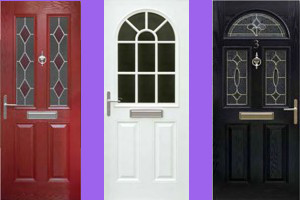
Start by taking the handles off the outside of your uPVC door. There are typically two screws that attach the handle to the door, and they should be removed easily using a screwdriver. After removing the handle, you can take out both the handle inside and the cylinder. Be sure to keep the cylinder and handle numbers, so that you can request a replacement if needed.
Next, open the barrel lock by turning it to the left. Once you have removed the lock, you can remove the long bolt that holds it in place. The screw is usually different from all other screws on the door, and is situated at the bottom of the door frame. After you remove the screw, you will be able to slide the barrel out.
Replace the new lock in the same manner as the old one, but making sure it fits properly and is in alignment with the doorframe. Once the lock is in place it is time to install the handle and tighten the screws. Also, you should test the lock to ensure it functions properly.
Whether your uPVC door handle is jammed, won't turn or is loose, it's the right time to replace it. Faulty locks are often targeted by criminals trying to gain entry to your home, so it is essential to take the necessary steps to safeguard your home and family. A professional locksmith can help you with the process and offer expert advice to improve the security of your home.
Testing the Lock
If you're planning to replace your uPVC door lock, it's essential that you carefully prepare for the job. This includes checking the manual of the manufacturer for any specific instructions and gathering all the necessary equipment and materials. Also, make sure to ensure your safety while working. This means placing a doorstop, or a block of wood beneath the door to ensure it's stable and wearing work gloves to protect your hands from sharp edges.
It's time to replace your uPVC lock once you've been properly prepared for the task. It is important to measure your door and cylinder precisely and then record these measurements in order to ensure a proper fit. This step is crucial to ensure that the new lock cylinder fits perfectly. This will ensure security and ease-of-use.
There are a number of common problems that can be affecting uPVC door locking mechanisms, such as issues with alignment, worn-out or stuck lock cylinders, as well as locked that are stiff or jammed. These issues can be easily solved by locksmiths.
To fix a sluggish or locked door, the first thing you'll need to do is get rid of any debris or dirt that may be causing the issue. Use a dry lubricant, such as graphite or PTFE instead of an oil-based product. Oil-based products are prone to attract dust and dirt.
When the lock's cylinder is free, you'll need to clean it and check the cylinder barrel for any signs of wear or damage. Once everything looks good then you can reassemble the lock and test it to confirm that it functions properly.
It can be a hassle to lose or break a key and it could compromise the security of your house. But, by following these simple steps, you can gain access to your home and regain the security of your home in a matter of minutes. If you're still having issues with your uPVC lock, it's recommended to consult an expert to manage the repair process in a timely and efficient manner. They'll have the right tools and know-how to disassemble the lock and clean and lubricate the components, and ensure it's properly aligned in the door frame to ensure optimal functionality.